Biodegradable Clothing Options for US Consumers in 2026
The landscape of sustainable fashion is rapidly evolving, with Biodegradable Clothing US 2026 emerging as a critical topic. Consumers need to understand the materials, certifications, and market shifts shaping this eco-conscious movement.
This report delves into the practical aspects of biodegradable clothing, providing essential insights for those looking to make informed purchasing decisions.
Stay informed about the environmental impact and innovative solutions driving the adoption of sustainable apparel in the United States.
The landscape of sustainable fashion is rapidly evolving, with Biodegradable Clothing US 2026 emerging as a critical topic. Consumers need to understand the materials, certifications, and market shifts shaping this eco-conscious movement.
This report delves into the practical aspects of biodegradable clothing, providing essential insights for those looking to make informed purchasing decisions.
Stay informed about the environmental impact and innovative solutions driving the adoption of sustainable apparel in the United States.
Exploring Biodegradable Clothing Options: What US Consumers Need to Know for 2026 is quickly becoming a central theme in fashion and environmental discussions. This shift reflects a growing consumer demand for sustainable products and increased industry accountability.
As we approach 2026, understanding what constitutes biodegradable clothing, its benefits, and the challenges it faces is crucial for informed purchasing decisions.
This article provides a comprehensive overview, focusing on the practical implications and key developments shaping the market for Biodegradable Clothing US 2026.
The concept of Biodegradable Clothing US 2026 is gaining significant traction within the fashion industry and among environmentally conscious consumers. This movement addresses the massive waste generated by conventional textiles, which often end up in landfills for centuries.
Biodegradable materials offer a promising solution, breaking down naturally and returning nutrients to the earth rather than polluting it. This ecological benefit is a primary driver behind the push for more sustainable apparel choices.
Understanding the science behind these materials and their real-world applications is essential for anyone interested in the future of fashion.
Defining Biodegradable Clothing for US Consumers
Biodegradable clothing refers to garments made from materials that can decompose naturally through biological processes, returning to the environment without leaving harmful residues. This includes both natural fibers and certain engineered synthetic materials.
The decomposition process is facilitated by microorganisms, which break down the complex organic structures into simpler compounds like water, carbon dioxide, and biomass. This natural cycle stands in stark contrast to synthetic fabrics that persist for hundreds of years.
For US consumers, identifying truly biodegradable options requires a deeper look beyond surface-level claims, focusing on material composition and verified certifications.
The distinction between compostable and biodegradable is also critical for consumers to grasp. While all compostable materials are biodegradable, not all biodegradable materials are compostable under typical home composting conditions.
Compostable items usually require specific industrial composting facilities to break down efficiently. This nuance is vital when considering the end-of-life options for your clothing.
Recognizing these differences will empower consumers to make truly sustainable choices when purchasing Biodegradable Clothing US 2026.
Key Natural Fibers Driving Biodegradability
Natural fibers form the bedrock of biodegradable clothing, offering inherent properties that facilitate decomposition. Cotton, linen, hemp, and wool are prime examples, celebrated for their renewable nature and ability to break down.
Organic versions of these fibers further enhance their environmental credentials by avoiding harmful pesticides and chemicals during cultivation. This ensures a cleaner product from farm to closet.
These materials not only decompose effectively but also often boast superior comfort and breathability, making them attractive choices for everyday wear.
Emerging natural fibers like Tencel (lyocell) and Modal, derived from wood pulp, also play a significant role in the biodegradable market. These semi-synthetic fibers are processed using eco-friendly methods and offer excellent drape and softness.
Their closed-loop production systems minimize waste and resource consumption, making them highly sustainable alternatives. As the demand for Biodegradable Clothing US 2026 grows, the innovation in these plant-based materials continues to accelerate.
The Role of Bioplastics and Engineered Materials
Beyond traditional natural fibers, advancements in bioplastics and engineered materials are expanding the scope of biodegradable clothing. These innovations aim to replicate the performance of conventional synthetics while maintaining biodegradability.
Polylactic acid (PLA), derived from fermented plant starch, is one such example, used in activewear and other specialized garments. While promising, the biodegradability of these materials often depends on specific environmental conditions.
Consumers need to be aware of these nuances to ensure proper disposal and effective decomposition of their garments.
Research and development in this area are continuous, with scientists exploring new polymers that can break down safely and efficiently. The goal is to create high-performance fabrics that don’t contribute to microplastic pollution.
However, the infrastructure for composting and recycling these advanced materials is still developing in the US. This presents both challenges and opportunities for the growth of Biodegradable Clothing US 2026.
Certifications and Standards for Biodegradable Clothing
For US consumers navigating the market for Biodegradable Clothing US 2026, understanding certifications is paramount. These labels provide a reliable indicator of a product’s environmental claims, helping to distinguish genuine sustainable options from greenwashing.
Certifications ensure that materials meet specific criteria for biodegradability, often verified by independent third parties. Without these standards, it becomes difficult for consumers to trust product assertions.
Identifying reputable certifications is a key step towards making truly eco-conscious fashion choices.
The Global Organic Textile Standard (GOTS) is a leading certification for organic fibers, ensuring environmental and social criteria throughout the supply chain. While not solely focused on biodegradability, GOTS-certified organic cotton, for instance, is inherently biodegradable.
Other certifications, like the Cradle to Cradle certification, assess a product’s entire lifecycle, including its material health and recyclability or biodegradability. These comprehensive standards offer a holistic view of sustainability.
Recognizing Key Certifications
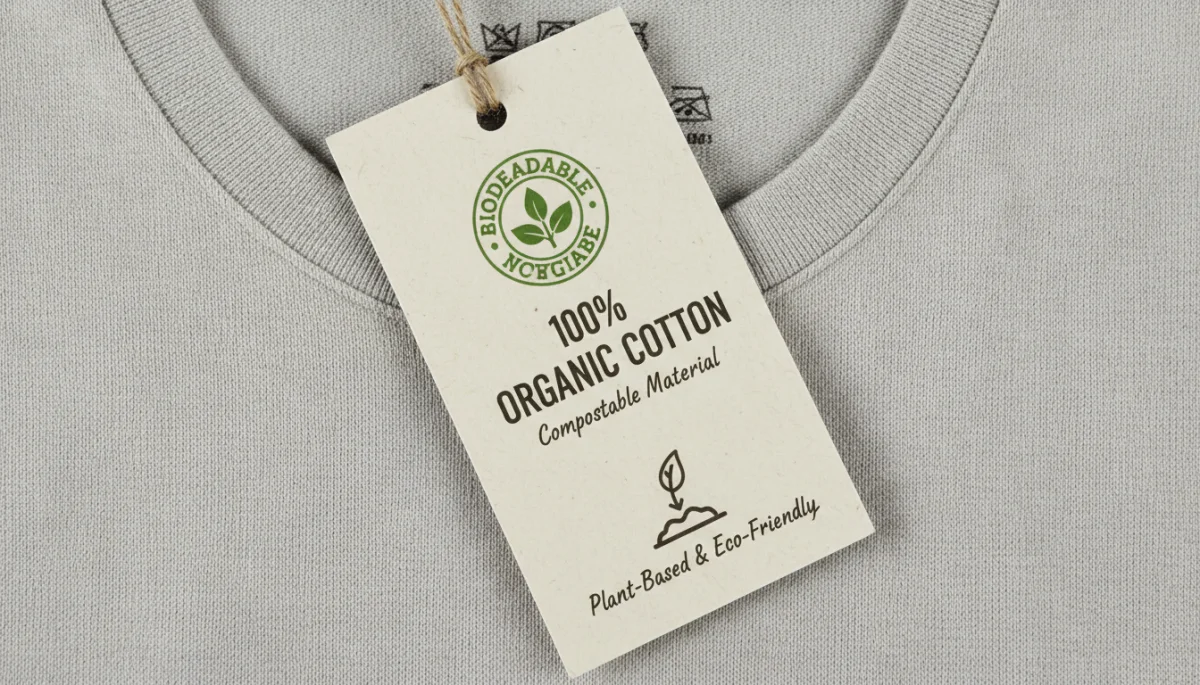
Several certifications help consumers identify truly biodegradable products. The Oeko-Tex Standard 100 ensures textiles are free from harmful substances, which indirectly supports biodegradability by reducing chemical contamination.
Specific compostability certifications, such as those from the Biodegradable Products Institute (BPI) in North America, indicate that a product will break down in industrial composting facilities. These are particularly relevant for engineered biodegradable materials.
Consumers should look for these logos and understand what each one signifies regarding the product’s end-of-life cycle. This vigilance helps ensure products align with their sustainability goals.
Another important standard is the European Bioplastics certification, which sets criteria for plastics that are bio-based, biodegradable, or both. While European in origin, its principles influence global product development and labeling.
As Biodegradable Clothing US 2026 gains momentum, harmonized international standards are becoming increasingly important. These certifications provide a common language for sustainability, benefiting both manufacturers and consumers.
The Environmental Impact of Biodegradable Clothing
The environmental benefits of Biodegradable Clothing US 2026 are substantial, primarily revolving around waste reduction and pollution mitigation. Traditional synthetic fabrics, like polyester and nylon, can take hundreds of years to decompose, contributing significantly to landfill burden.
Moreover, these materials often release microplastics into waterways during washing and disposal, harming marine life and potentially human health. Biodegradable alternatives offer a pathway to a cleaner, healthier planet.
By choosing these options, consumers directly support a circular economy where materials are reused or returned to nature.
Reducing landfill waste is a critical advantage, as textile waste is a major contributor to greenhouse gas emissions from decomposition in anaerobic conditions. Biodegradable garments, when properly disposed of, integrate back into natural cycles.
This minimizes the need for new raw materials and decreases the energy required for waste management. The overall ecological footprint of biodegradable clothing is significantly lower.
The shift towards Biodegradable Clothing US 2026 represents a move towards more responsible consumption and production practices.
Addressing Microplastic Pollution
Microplastic pollution is a pervasive environmental issue, with textiles being a major source. Every time synthetic clothing is washed, tiny plastic fibers shed and enter water systems, eventually making their way to oceans.
These microplastics are ingested by marine organisms and can accumulate up the food chain, posing risks to ecosystems and potentially human health. Biodegradable fabrics offer a direct solution by eliminating these persistent pollutants.
Fibers from natural or bio-based materials break down into harmless components, preventing microplastic contamination.
The focus on Biodegradable Clothing US 2026 is partly driven by the urgent need to combat this specific form of pollution. As consumers become more aware of the issue, demand for alternatives free from microplastic shedding will only grow.
This shift encourages manufacturers to invest in research and development for truly sustainable materials. The impact on aquatic environments could be profoundly positive.
Challenges and Opportunities for Biodegradable Clothing US 2026
Despite its clear advantages, the widespread adoption of Biodegradable Clothing US 2026 faces several challenges. One significant hurdle is consumer awareness and education; many consumers are still unfamiliar with what makes clothing truly biodegradable or how to properly dispose of it.
Another challenge lies in the performance and durability of some biodegradable materials, which may not yet match conventional synthetics in all applications. This gap needs to be addressed through ongoing innovation.
The cost of production for sustainable materials can also be higher, affecting retail prices and accessibility for a broader market.
Infrastructure for composting and recycling biodegradable textiles is also a critical limiting factor in the US. Without accessible facilities, even truly biodegradable items may end up in landfills.
Developing a robust end-of-life system is essential for the full potential of these materials to be realized. This requires collaboration between industry, government, and consumers.
Innovation in Sustainable Textiles
The opportunities for innovation in Biodegradable Clothing US 2026 are immense. Researchers are constantly developing new materials and improving existing ones to enhance performance, durability, and cost-effectiveness.
For example, advancements in bio-engineered fibers are creating textiles that offer the stretch, moisture-wicking, and strength of synthetics while remaining compostable. This innovation addresses key consumer demands without compromising sustainability.
The integration of smart technologies into biodegradable fabrics also holds promise, creating a new generation of functional and eco-friendly garments.
Furthermore, improvements in manufacturing processes are reducing the environmental footprint of textile production, from water usage to energy consumption. Brands are investing in cleaner dyes and finishes that are also biodegradable.
These continuous advancements are making Biodegradable Clothing US 2026 more competitive and appealing to a wider audience. The future of fashion truly lies in these sustainable innovations.
Consumer Behavior and Market Trends by 2026
Consumer behavior is a pivotal factor shaping the future of Biodegradable Clothing US 2026. There’s a noticeable shift towards conscious consumption, with more individuals prioritizing environmental impact in their purchasing decisions. This trend is driven by increased awareness of climate change and textile waste.
Social media and educational campaigns play a crucial role in informing consumers about sustainable alternatives. As a result, brands that offer transparent and eco-friendly options are gaining a competitive edge.
This evolving mindset is creating significant demand for biodegradable products.
Market trends indicate a steady growth in the sustainable fashion segment, with analysts projecting continued expansion through 2026. This growth is not only in niche markets but also within mainstream retail, as major brands integrate sustainable lines.
The accessibility of information and the availability of diverse biodegradable products are empowering consumers to make more impactful choices. The emphasis on circularity is transforming how fashion is designed, produced, and consumed.
The Rise of Circular Fashion Models
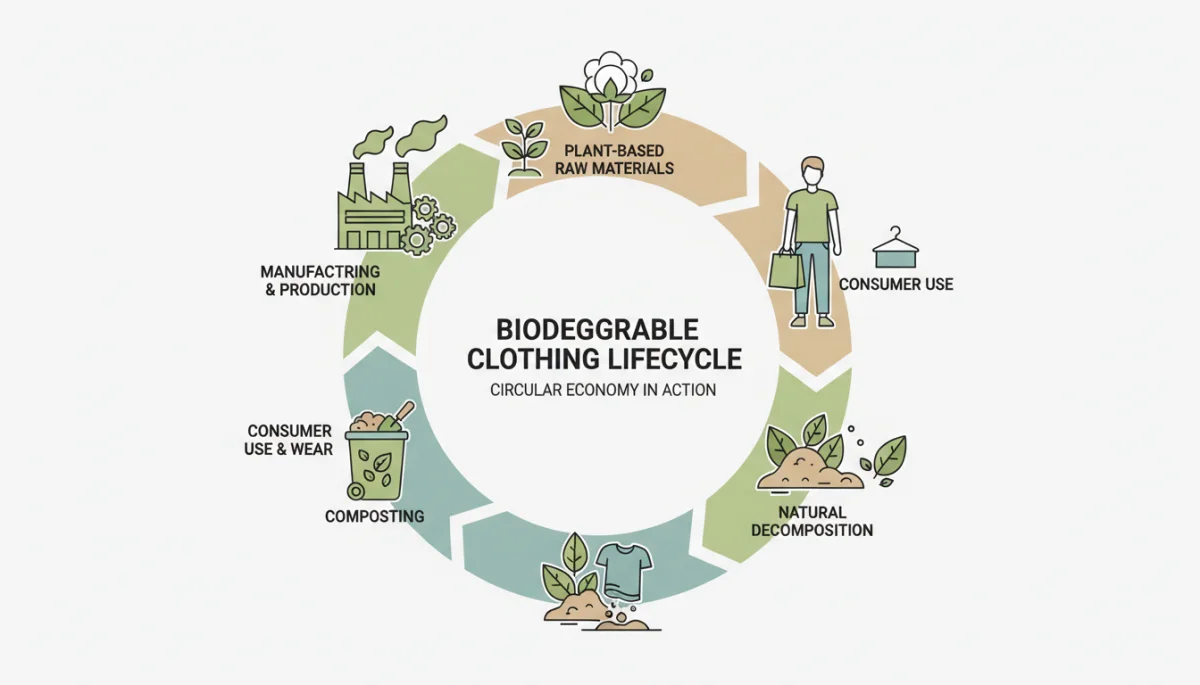
The circular economy model is intrinsically linked to the success of Biodegradable Clothing US 2026. This model emphasizes keeping resources in use for as long as possible, extracting the maximum value from them while in use, then recovering and regenerating products and materials at the end of each service life.
For biodegradable clothing, this means designing garments that can safely return to the earth through composting or natural decomposition. Brands are exploring rental services, repair programs, and take-back initiatives to extend garment life.
These models reduce the reliance on virgin resources and minimize waste, creating a closed-loop system.
The push for circularity also encourages innovation in material science and product design. The aim is to create durable garments that are also designed for disassembly and biological breakdown.
As we head into 2026, the adoption of circular fashion principles will be a defining characteristic of the sustainable apparel industry. This holistic approach ensures that Biodegradable Clothing US 2026 is not just about the material, but also its entire journey.
Government Regulations and Industry Initiatives
Government regulations and industry initiatives are playing an increasingly important role in shaping the landscape of Biodegradable Clothing US 2026. Policy makers are beginning to introduce legislation aimed at reducing textile waste and promoting sustainable practices.
These regulations can include extended producer responsibility schemes, which hold brands accountable for the end-of-life disposal of their products. Such policies provide a strong incentive for companies to innovate in biodegradable materials.
These legislative efforts are critical for driving systemic change across the fashion industry.
Concurrently, numerous industry-led initiatives are accelerating the transition towards sustainable fashion. Collaborations between brands, textile manufacturers, and technology providers are fostering innovation and sharing best practices.
These initiatives often focus on developing new biodegradable materials, improving supply chain transparency, and educating consumers. The collective effort is vital for overcoming the challenges associated with widespread adoption of Biodegradable Clothing US 2026.
Policy Frameworks Supporting Sustainability
Several US states and cities are exploring policy frameworks to support textile sustainability. These include bans on certain non-biodegradable materials, incentives for using recycled or biodegradable content, and investments in composting infrastructure.
Federal action, while slower, is also being discussed, with potential for national standards for biodegradability and labeling requirements. These policies aim to create a level playing field and accelerate market transformation.
Such government intervention provides the necessary push for industry to adopt more sustainable practices at scale.
The role of these policy frameworks cannot be overstated in promoting Biodegradable Clothing US 2026. They create a regulatory environment that favors sustainable innovation and penalizes environmentally harmful practices.
This blend of regulation and incentives is crucial for achieving ambitious sustainability goals and ensuring a greener future for fashion.
Future Outlook for Biodegradable Clothing in the US
The future outlook for Biodegradable Clothing US 2026 appears promising, driven by continued innovation, increasing consumer demand, and evolving regulatory landscapes. We can expect to see a wider array of biodegradable materials entering the market, offering enhanced performance and aesthetic appeal.
The integration of advanced technologies, such as biotechnology for fiber development, will further expand the possibilities for sustainable textiles. This continuous evolution promises to address current limitations effectively.
As these advancements mature, biodegradable clothing will become more mainstream and accessible.
Furthermore, improvements in end-of-life infrastructure, particularly for composting, will be critical to realizing the full environmental benefits of biodegradable garments. Investment in these areas is expected to grow, supported by both public and private sectors.
The collaboration between designers, manufacturers, retailers, and waste management companies will be key to establishing a truly circular fashion ecosystem. The trajectory for Biodegradable Clothing US 2026 is one of significant growth and transformation.
Anticipated Innovations and Market Growth
Anticipated innovations include self-repairing biodegradable fabrics and textiles with embedded sensors that monitor health or environmental conditions, all while maintaining their eco-friendly properties. These smart textiles will combine functionality with sustainability.
The market for biodegradable clothing is projected to experience substantial growth, driven by both consumer preference and industry commitments to sustainability. Major brands are increasingly setting ambitious targets for incorporating biodegradable materials into their collections.
This signals a broad industry shift that will make Biodegradable Clothing US 2026 a common sight in retail.
The expansion of online retail platforms specifically dedicated to sustainable fashion will also contribute to market growth, making it easier for consumers to find and purchase biodegradable options. Educational resources will accompany this growth, empowering consumers with knowledge.
Ultimately, the collective efforts across the value chain will solidify the position of Biodegradable Clothing US 2026 as a cornerstone of sustainable fashion.
| Key Point | Brief Description |
|---|---|
| Material Focus | Natural fibers (cotton, hemp, Tencel) and bio-engineered materials are key. |
| Certification Importance | Look for GOTS, Cradle to Cradle, and BPI labels for verified claims. |
| Environmental Impact | Reduces landfill waste and microplastic pollution significantly. |
| Consumer Action | Prioritize informed choices, proper disposal, and support sustainable brands. |
Frequently Asked Questions on Biodegradable Clothing
Clothing is biodegradable if its materials can decompose naturally into organic matter through biological processes, without leaving harmful residues. This typically involves natural fibers like cotton, linen, hemp, or wool, and certain bio-engineered materials designed for decomposition. The breakdown is facilitated by microorganisms in specific environments.
US consumers should look for specific certifications such as GOTS (Global Organic Textile Standard) for organic content, or Cradle to Cradle for comprehensive lifecycle assessment. For materials requiring industrial composting, certifications from organizations like the Biodegradable Products Institute (BPI) are crucial. Always check material composition on labels.
The primary benefits include significant reduction in landfill waste, as these garments break down rather than persist for centuries. They also help combat microplastic pollution, a major issue with synthetic textiles, by not shedding harmful plastic fibers during washing and disposal. This supports a healthier ecosystem.
Challenges include consumer education on proper disposal methods, as not all biodegradable items can be home composted. Some biodegradable materials may also currently have higher production costs or different performance characteristics compared to conventional synthetics. Developing adequate composting infrastructure in the US is another significant hurdle to widespread adoption.
By 2026, consumers can expect a wider range of biodegradable materials with improved performance and aesthetics. Increased transparency from brands, growth in circular fashion models like repair and rental, and potentially more supportive government regulations are also anticipated. Accessibility and awareness of Biodegradable Clothing US 2026 will continue to grow.
Looking Ahead
The trajectory for Biodegradable Clothing US 2026 indicates a significant shift in the fashion industry, moving towards more sustainable and environmentally responsible practices. This evolution is not merely a trend but a fundamental change driven by ecological necessity and consumer demand. As new materials emerge and infrastructure improves, the accessibility and appeal of biodegradable clothing will only increase.
Consumers are encouraged to stay informed, scrutinize product labels, and support brands committed to genuine sustainability. The collective impact of these choices will play a critical role in shaping a greener future for fashion in the United States.
Continued research, policy development, and industry collaboration will be essential in overcoming remaining challenges and fully realizing the potential of Biodegradable Clothing US 2026.