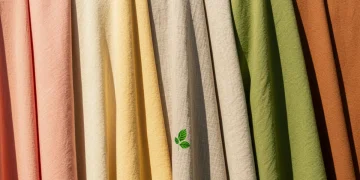
Sustainable Summer Fabric Trends 2026: Eco-Conscious Style

The latest developments in Sustainable Summer for 2026 highlight growing demand for eco-conscious summer fabrics that balance comfort, durability, and lower environmental impact across the United States. Industry analysts report that consumers are increasingly prioritizing breathable materials produced with reduced water usage, recycled fibers, and more transparent supply chains.
In the field of sustainable fashion, five fabric trends are emerging as major influences for Summer 2026: organic cotton, recycled polyester blends, linen sourced through low-impact farming, TENCEL™ and lyocell fibers, and hemp-based textiles. These materials are gaining attention for their lighter environmental footprint, moisture control properties, and compatibility with minimalist and climate-conscious fashion trends.
Experts also advise consumers and manufacturers to monitor evolving textile regulations, greenwashing concerns, and innovations in biodegradable fabrics and circular production systems. As sustainability standards continue advancing, transparency in sourcing, ethical manufacturing practices, and long-term garment durability are expected to remain central themes shaping the future of eco-conscious fashion.
The Rise of Eco-Conscious Textiles for Summer 2026
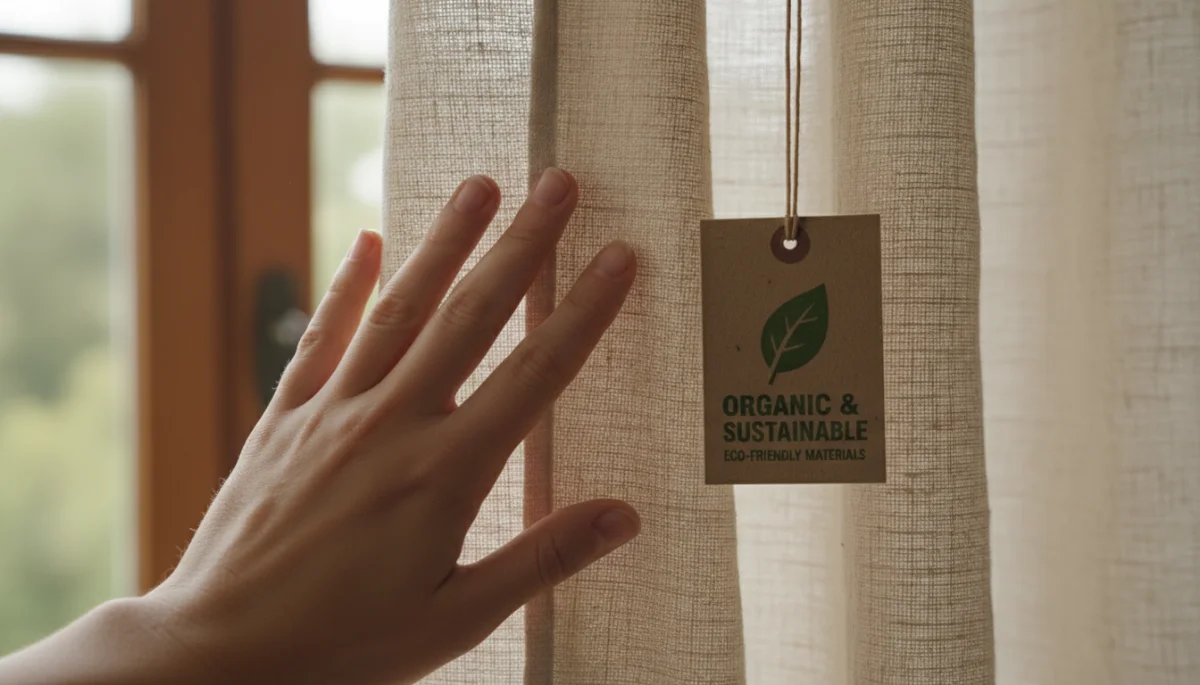
The fashion industry is undergoing a significant transformation, driven by increasing consumer demand for sustainability and environmental responsibility. As we look towards Summer 2026, the focus on ethical sourcing, reduced environmental impact, and innovative materials is more pronounced than ever, particularly within the United States market.
This shift is not merely a passing trend but a fundamental change in how clothing is produced and consumed. Brands are actively investing in research and development to create fabrics that not only look good but also align with ecological principles, reflecting a broader societal move towards a greener future.
Understanding Sustainable Summer Fabrics 2026 is crucial for both consumers seeking responsible choices and businesses aiming to meet evolving market demands. The integration of eco-friendly practices throughout the supply chain is becoming a standard, rather than an exception, setting new benchmarks for the industry.
Trend 1: Organic and Regenerative Cotton Innovations
Organic cotton has long been a staple in sustainable fashion, but for 2026, the emphasis shifts towards regenerative agriculture practices that go beyond simply avoiding harmful chemicals. This approach focuses on restoring soil health, enhancing biodiversity, and sequestering carbon, creating a truly positive environmental impact.
Brands are increasingly partnering with farms that employ these advanced methods, ensuring that their cotton not only comes from organic sources but also contributes to ecological regeneration.
This holistic view of cotton production is setting a new standard for sustainable sourcing within The Top Sustainable Summer.
Consumers are becoming more aware of the broader environmental footprint of their clothing, pushing for transparency and traceability in the supply chain.
The demand for genuinely regenerative materials is expected to grow significantly, making it a cornerstone for sustainable summer fabrics in 2026.
Advancements in Organic Cotton Processing
New processing techniques are further enhancing the sustainability of organic cotton. These innovations aim to reduce water usage, minimize waste, and improve energy efficiency during the manufacturing stages, from ginning to fabric finishing.
For example, closed-loop systems for dyeing and finishing are gaining traction, significantly cutting down on water pollution and chemical discharge.
These advancements ensure that the environmental benefits of organic cotton extend throughout its entire lifecycle, contributing to a truly eco-conscious product.
The Role of Traceability in Regenerative Cotton
- Blockchain technology is being adopted to provide transparent tracking of cotton from farm to finished garment.
- Certifications like Regenerative Organic Certified (ROC) are gaining prominence, offering clear verification for consumers.
- Partnerships between brands and specific regenerative farms ensure direct oversight and accountability for sustainable practices.
Trend 2: TENCEL™ and Modal Fibers for Breathable Comfort
Lenzing’s TENCEL™ Lyocell and Modal fibers continue their ascent as leading sustainable choices for summer wear, celebrated for their exceptional softness, breathability, and moisture-wicking properties. Derived from sustainably managed wood sources, these cellulosic fibers offer a luxurious feel with a significantly reduced environmental footprint.
The closed-loop production process for Lyocell minimizes waste and reuses solvents, making it a highly resource-efficient option. Modal, known for its incredible softness and drape, also uses an environmentally responsible process, making both fibers ideal for lightweight, comfortable summer apparel.
As part of Sustainable Summer, TENCEL™ and Modal are being incorporated into a wider range of garments, from everyday basics to sophisticated resort wear. Their versatility and eco-credentials make them a favorite among designers and consumers alike.
Innovations in Blends and Textures
For 2026, we are seeing TENCEL™ and Modal being blended with other sustainable fibers, such as organic cotton or linen, to create unique textures and enhanced performance characteristics.
These blends offer the best of both worlds: the strength and breathability of one fiber combined with the softness and drape of another.
New weaving and knitting techniques are also creating novel fabric constructions, offering more variety in terms of appearance and feel. From silky smooth satins to subtly textured crepes, the possibilities for TENCEL™ and Modal in summer fashion are expanding.
Environmental Benefits of TENCEL™ and Modal
- Sourced from sustainably managed forests, ensuring responsible timber harvesting.
- Closed-loop production processes for Lyocell minimize water and chemical waste.
- Biodegradable and compostable, returning to nature at the end of their lifecycle.
Trend 3: Recycled and Upcycled Materials Redefining Style
The integration of recycled and upcycled materials is moving beyond niche markets to become a mainstream trend for Summer 2026. This includes fabrics made from recycled plastic bottles (rPET), reclaimed textile waste, and even innovative materials derived from ocean plastics, offering stylish solutions to waste reduction.
Upcycling, which involves transforming discarded materials into new products of higher quality or environmental value, is also gaining traction. Designers are creatively reinterpreting existing garments and textile scraps into unique, limited-edition pieces, contributing to a circular fashion economy.
These initiatives are crucial for reducing landfill waste and conserving virgin resources, aligning perfectly with the principles of Sustainable Summer Fabrics 2026. The focus is not just on recycling, but on creating high-quality, desirable products that challenge perceptions of waste.
Trend 4: Hemp and Linen – Natural Fibers with a Modern Twist
Hemp and linen, historically valued for their durability and natural breathability, are experiencing a resurgence for Summer 2026, revitalized by modern processing techniques. These fibers are inherently sustainable, requiring minimal water and pesticides, and are now being treated to achieve softer, more luxurious finishes, making them more appealing for contemporary fashion.
Advances in retting and spinning technologies mean that hemp fabrics are no longer exclusively coarse; they can now be produced with a fine, silky hand-feel, suitable for elegant dresses and tailored separates. Linen, always a summer favorite, is also being innovated with softer washes and unique blends.
The renewed focus on these natural powerhouses underscores their importance in Sustainable Summer. Their low environmental impact and comfort properties make them ideal for the warm climate, appealing to a growing segment of eco-conscious consumers.
Enhancing Comfort and Versatility
Designers are exploring new ways to incorporate hemp and linen into diverse collections, moving beyond traditional casual wear.
Blends with organic cotton or TENCEL™ are creating fabrics that combine the best attributes of each fiber, such as improved drape, reduced wrinkling, and enhanced softness, without compromising sustainability.
The natural cooling properties of hemp and linen make them perfect for summer. Their ability to absorb and release moisture quickly keeps the wearer comfortable in humid conditions, a key factor for summertime fashion in the United States.
Sustainable Cultivation and Impact
- Hemp requires significantly less water and no pesticides to grow, making it highly eco-friendly.
- Linen, derived from flax, also boasts minimal environmental impact regarding water and chemical use.
- Both fibers contribute to healthy soil structure and can be grown in diverse climates, reducing agricultural strain.
Trend 5: Innovative Bio-Based and Lab-Grown Materials
The frontier of sustainable textiles for 2026 includes groundbreaking bio-based materials and lab-grown alternatives, pushing the boundaries of what is possible in eco-friendly fashion. These innovations range from fabrics made from agricultural waste, such as pineapple leaves and mushroom mycelium, to synthetic fibers produced through bio-engineering.
Mycelium-based leathers, for instance, offer a vegan and biodegradable alternative to traditional leather, with a luxurious feel and comparable durability. Similarly, fabrics derived from fruit waste provide a novel way to utilize agricultural byproducts, transforming them into valuable textile resources.
These cutting-edge materials represent the future of Sustainable Summer Fabrics 2026, offering solutions that are not only environmentally benign but also highly innovative in their performance and aesthetics. The investment in these technologies is significant, driven by a vision for a truly circular and sustainable fashion industry.
The Promise of Lab-Grown Textiles
Lab-grown fibers, developed through biotechnology, offer the potential for textiles with precise performance characteristics and minimal environmental impact.
These fibers can be engineered to be stronger, more durable, or have specific moisture-wicking properties, all while avoiding resource-intensive traditional manufacturing methods.
While still in early stages of commercialization, the potential for scalability and reduced ecological footprint is immense. This area of innovation is attracting significant investment and is expected to become a more prominent part of Sustainable Summer in the coming years.
Key Bio-Based Material Developments
- Pinatex (from pineapple leaf fibers) offers a leather alternative.
- Mylo (from mushroom mycelium) provides sustainable, animal-free leather.
- Fabrics from citrus or algae biomass are being developed for various applications.
Consumer Adoption and Market Impact in the United States
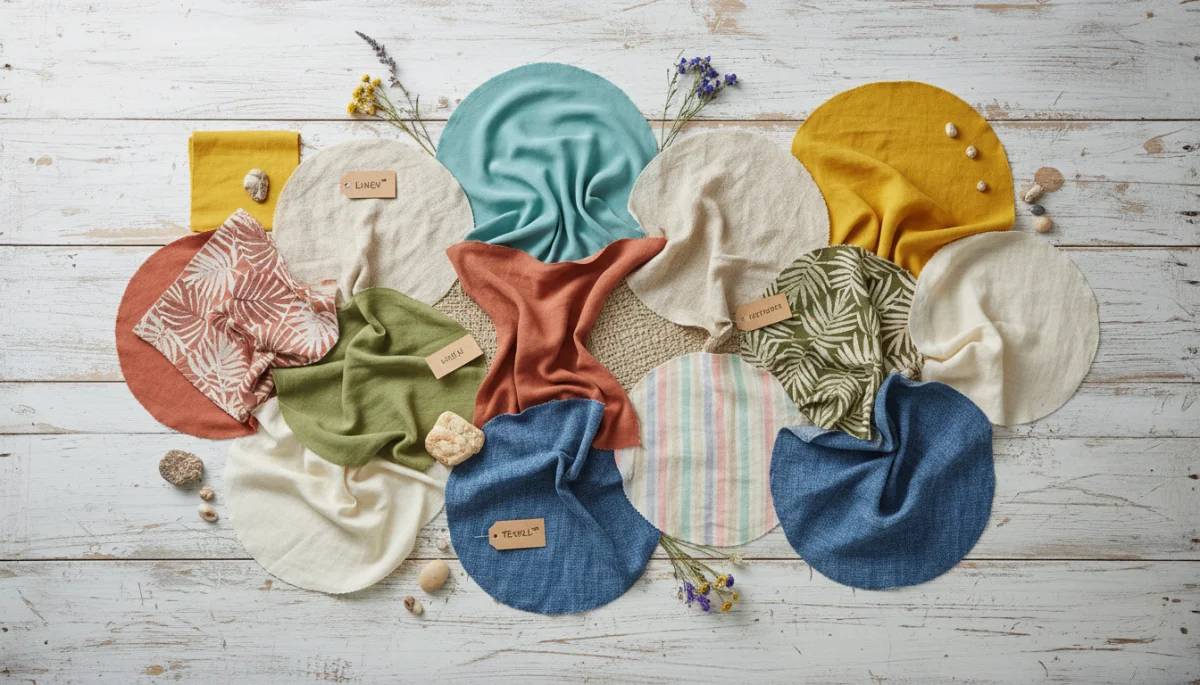
The increasing availability and desirability of Sustainable Summer Fabrics 2026 are profoundly impacting consumer behavior in the United States. Shoppers are actively seeking brands that demonstrate genuine commitment to sustainability, influencing purchasing decisions and fostering a more conscious marketplace.
This shift is not limited to eco-conscious niches; it is becoming a mainstream expectation. Major retailers and fashion houses are responding by integrating sustainable lines and transparently communicating their environmental efforts, recognizing that sustainability is a key driver for brand loyalty and growth.
Educational initiatives and increased media coverage are also playing a vital role in informing consumers about the benefits and origins of sustainable textiles. This heightened awareness is propelling the demand for eco-friendly summer styles, making it a critical consideration for the fashion industry.
Challenges and Opportunities in Sustainable Textile Production
While the momentum for Sustainable Summer Fabrics 2026 is strong, the industry still faces challenges in scaling production and ensuring affordability for a broader market. Overcoming these hurdles requires continued innovation, investment, and collaborative efforts across the supply chain, from raw material suppliers to final retailers.
However, these challenges also present significant opportunities for brands willing to invest in sustainable practices. Early adopters stand to gain a competitive advantage, attracting a growing segment of environmentally conscious consumers and establishing themselves as leaders in responsible fashion.
The long-term benefits, including reduced environmental impact, improved brand reputation, and enhanced resource efficiency, far outweigh the initial investment. The continued evolution of sustainable technologies and consumer demand will drive further progress in this essential area.
| Trend Focus | Key Characteristics for 2026 |
|---|---|
| Regenerative Cotton | Beyond organic, focusing on soil health and carbon sequestration. |
| TENCEL™ & Modal | Closed-loop cellulosic fibers, known for breathability and softness. |
| Recycled & Upcycled | Transforming waste into new, high-quality fashion items. |
| Bio-Based Materials | Innovative fabrics from agricultural waste and lab-grown alternatives. |
Frequently Asked Questions About Sustainable Summer Fabrics
Sustainable summer fabrics for 2026 are defined by their minimal environmental impact throughout their lifecycle, from raw material sourcing to disposal. This includes reduced water and energy consumption, avoidance of harmful chemicals, ethical labor practices, and the ability to be recycled or composted. Key trends focus on regenerative agriculture and innovative bio-based materials.
Regenerative cotton is crucial because it goes beyond organic farming by actively improving soil health, increasing biodiversity, and sequestering carbon from the atmosphere. This approach creates a net positive environmental impact, making it a superior choice for consumers seeking truly eco-conscious and restorative fashion options for their summer wardrobe collection.
TENCEL™ Lyocell and Modal fibers are derived from sustainably managed wood sources and produced using closed-loop systems that minimize water and chemical waste. They are also biodegradable, ensuring they return to nature at the end of their use. Their comfort and eco-friendly production make them a cornerstone of sustainable summer fabrics.
Yes, recycled fabrics, such as those made from post-consumer plastic bottles or textile waste, are highly sustainable. They reduce landfill burden, conserve virgin resources, and often require less energy to produce than new materials. Innovations ensure these recycled materials meet high-quality and comfort standards suitable for summer fashion, aligning with eco-conscious style.
Bio-based and lab-grown materials represent the cutting edge of sustainable fashion, offering alternatives derived from agricultural waste like pineapple leaves or mushroom mycelium. These innovations reduce reliance on traditional resource-intensive materials and can be engineered for specific performance. They are vital for creating a truly circular and environmentally benign fashion industry for summer.
Looking Ahead: The Future of Sustainable Summer Fabrics
The evolving landscape of Sustainable Summer signals a clear trajectory towards a more responsible and innovative fashion industry.
As consumer awareness grows and technological advancements continue, the emphasis on eco-friendly materials and ethical production will only intensify. Businesses that embrace these changes are poised to thrive, offering products that meet both style and sustainability demands.
The commitment to a greener wardrobe is no longer a niche preference but a foundational element of modern fashion, with significant implications for both brands and consumers across the United States.