Vintage Fashion Jewelry Resale 2026: Authenticity & Value
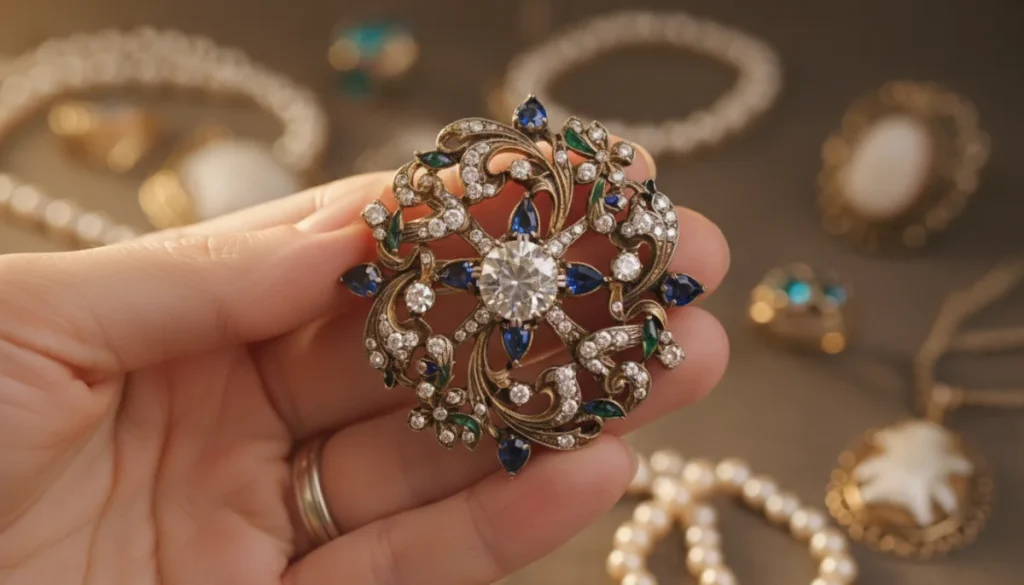
The 2026 vintage fashion jewelry resale market is gaining momentum as secondhand fashion expands and buyers prioritise authenticity, provenance and long-term value. ThredUp projects the global secondhand market to reach $393 billion by 2030, while luxury resale platforms are investing more heavily in authentication and AI-driven discovery.
This matters because signed, documented and well-preserved vintage jewelry can command stronger resale prices than generic pieces. Experts say buyers should verify maker’s marks, materials, condition, repair history and original packaging, since provenance and authentication increasingly determine resale premiums.
Looking ahead, readers should monitor gold prices, platform authentication standards, AI valuation tools and demand for signed vintage pieces from brands like Cartier, Chanel and Dior. Sellers aiming for a 25% higher resale value should prioritise professional authentication, detailed photos, accurate descriptions and timing listings around peak demand cycles.
The Evolving Landscape of Vintage Jewelry Resale
The market for vintage fashion jewelry is experiencing a significant resurgence, driven by sustainability trends and a desire for unique, historically significant pieces. Collectors and casual buyers alike are increasingly turning to secondary markets, recognizing the intrinsic value and distinctiveness that vintage items offer.
This heightened demand is creating lucrative opportunities for sellers, but it also necessitates a deeper understanding of authenticity and market dynamics. Successfully engaging in this sector requires more than just an eye for beauty; it demands expertise in identification and valuation to maximize returns.
As 2026 approaches, projections indicate continued growth, with a strong emphasis on provenance and verifiable quality. Those who master the nuances of this market stand to gain substantially, potentially achieving resale values significantly higher than current averages.
Understanding Authenticity: The Cornerstone of Value
Authenticity is paramount when dealing with vintage fashion jewelry; it directly correlates with market value and buyer confidence. Without verifiable proof of origin, material, and era, even beautiful pieces may struggle to command premium prices in the resale market.
Collectors are increasingly sophisticated, demanding clear evidence of a piece’s history and composition. This makes the ability to accurately identify genuine vintage items not just an advantage, but a necessity for anyone serious about elevating their resale potential.
Expert identification involves a combination of visual inspection, historical knowledge, and sometimes, specialized tools. Mastering these techniques is fundamental for anyone looking to excel at Navigating the Resale Market for Vintage Fashion Jewelry.
Hallmarks and Maker’s Marks
Hallmarks serve as critical identifiers, often indicating the metal purity, country of origin, and sometimes even the year of manufacture. Familiarity with common hallmarks from different eras and regions is an invaluable skill for authenticating vintage pieces.
Maker’s marks, while not always present, can directly link a piece to a renowned designer or manufacturer, significantly increasing its desirability and value. Researching these marks, especially those from popular Vintage Fashion Jewelry brands, is a crucial step.
- Research common hallmarks for gold, silver, and platinum from various periods.
- Identify specific maker’s marks from reputable vintage jewelry designers.
- Cross-reference marks with established databases and expert resources.
Material and Construction Analysis
The materials used in Vintage Fashion Jewelry often reflect the technological advancements and aesthetic preferences of their time. Understanding the types of metals, gemstones, and even plastics prevalent in different eras can help pinpoint authenticity.
Examine the construction techniques: clasps, settings, soldering, and overall craftsmanship can reveal whether a piece is genuinely vintage or a modern reproduction. Hand-finished details, for instance, are often indicative of older craftsmanship.
- Learn to differentiate between genuine gemstones and synthetics common in vintage pieces.
- Study typical metal alloys and finishes used in specific historical periods.
- Observe construction methods like filigree, granulation, and stone settings for era-specific traits.
Market Trends and Valuation in 2026
The Vintage Fashion Jewelry market is dynamic, with certain styles and designers experiencing surges in popularity. Staying abreast of these trends is vital for accurate valuation and strategic selling, directly impacting your ability to achieve a 25% higher resale value.
Current projections for 2026 suggest a continued strong demand for specific categories, including Art Deco, Mid-Century Modern, and certain designer pieces. Understanding which aesthetics are in vogue can guide your acquisition and selling decisions.
Valuation is not simply about authenticity; it also incorporates desirability, rarity, condition, and market demand. A holistic approach to these factors is essential for Navigating the Resale Market for Vintage Fashion Jewelry.
Identifying High-Demand Categories
Certain periods and design movements consistently attract strong buyer interest. Art Deco jewelry, known for its geometric patterns and bold colors, remains highly sought after, as do intricate Victorian and Edwardian pieces.
Mid-century modern designs, particularly those from the 1950s and 60s, are also gaining traction, appealing to a younger demographic.
Jewelry from iconic fashion houses, even if not fine jewelry, often commands premium prices due to brand recognition and design heritage.
- Focus on periods like Art Deco (1920s-1930s), Mid-Century Modern (1940s-1960s), and Retro (1940s).
- Target pieces from renowned designers such as Miriam Haskell, Trifari, and Coro.
- Monitor online marketplaces and auction results for emerging trends and popular aesthetics.
Condition and Rarity Assessment
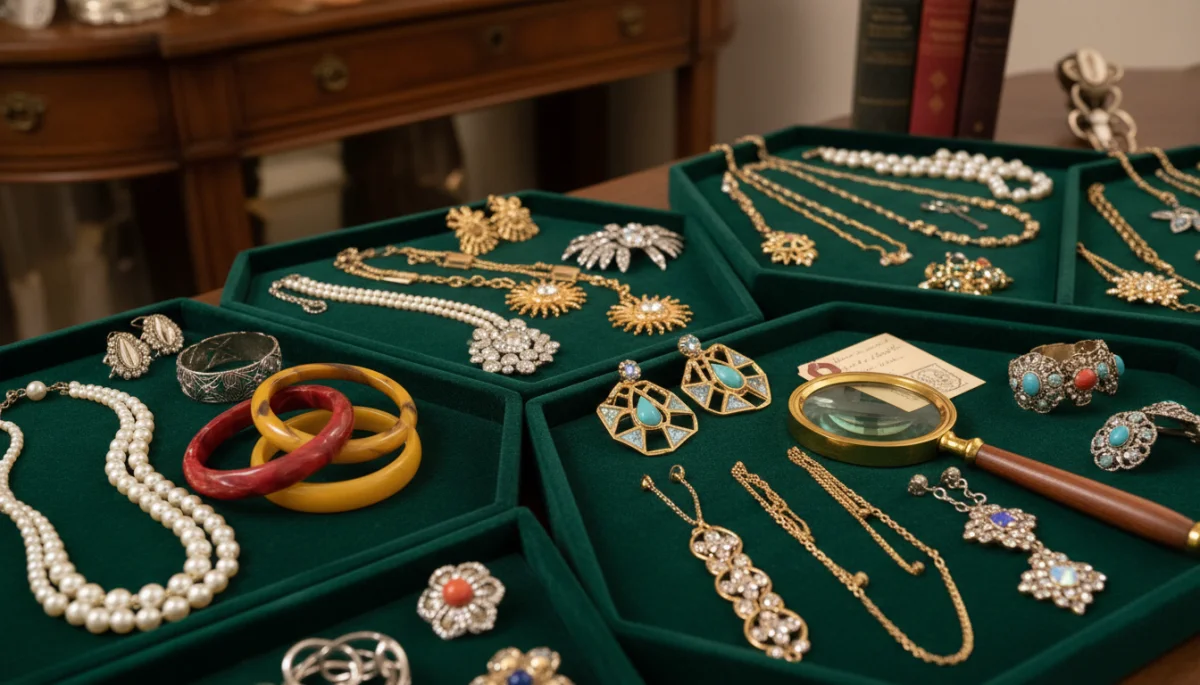
The condition of a vintage piece significantly impacts its value. Minor wear is often acceptable and expected, but major damage, missing stones, or extensive repairs can drastically reduce its market appeal. Buyers prioritize well-preserved items.
Rarity also plays a crucial role. Limited edition pieces, unusual designs, or items from short-lived design collaborations can fetch much higher prices. Documenting a piece’s rarity with historical context can justify a higher asking price.
Strategic Resale: Maximizing Your Return
Achieving a 25% higher resale value requires more than just possessing authentic, desirable pieces; it demands a strategic approach to selling. This involves choosing the right platforms, effective presentation, and skillful negotiation.
In 2026, the online resale landscape continues to dominate, but specialized vintage markets and consignment stores still offer valuable avenues. Understanding the strengths of each channel is crucial for optimizing your sales strategy.
Effective marketing, including high-quality photography and detailed descriptions, can significantly enhance buyer interest and confidence. This preparation is key to successfully Navigating the Resale Market for Vintage Fashion Jewelry.
Choosing the Right Sales Platform
Online marketplaces like Etsy, eBay, and dedicated vintage jewelry sites offer broad reach and access to a global buyer base.
Each platform has its own fee structure and audience, so selecting the most appropriate one is vital for your specific items.
Consignment shops and specialized vintage boutiques can provide expert appraisal and a curated selling environment, often attracting serious collectors. While they take a percentage of the sale, they handle marketing and customer interaction.
- Evaluate online platforms based on reach, fees, and target audience for vintage jewelry.
- Consider local vintage stores or antique markets for in-person sales and expert advice.
- Explore auction houses for high-value or exceptionally rare pieces.
Presentation and Documentation
High-quality photographs are non-negotiable for online sales. Clear, well-lit images from multiple angles, showcasing details and any distinguishing marks, build trust and attract buyers. Consider professional photography for higher-value items.
Comprehensive descriptions should include all known information about the piece: era, materials, dimensions, condition, and provenance.
Any documentation, such as original boxes, receipts, or appraisal certificates, should be included and highlighted.
- Invest in good lighting and a clean background for product photography.
- Write detailed, accurate descriptions, including any known history or designer information.
- Provide clear information on condition, noting any minor flaws transparently.
Leveraging Expert Appraisals and Certifications
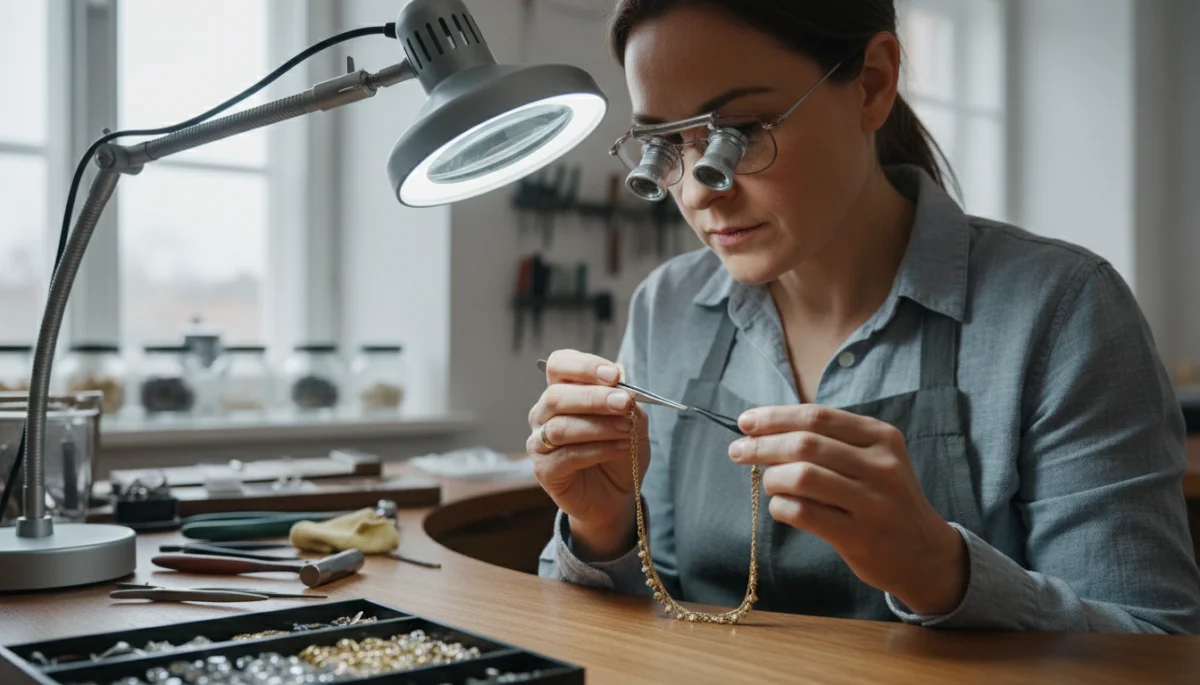
For high-value or particularly rare Vintage Fashion Jewelry, obtaining a professional appraisal or certification can dramatically increase buyer confidence and justify a premium price. This external validation provides an objective assessment of authenticity and value.
An expert appraisal from a certified gemologist or appraiser adds significant credibility, especially when dealing with pieces that might contain precious metals or gemstones. This step can be instrumental in securing that 25% higher resale value.
While an initial investment, a formal appraisal often pays for itself by facilitating a quicker sale at a better price. It streamlines the selling process by addressing potential buyer concerns upfront.
Avoiding Common Pitfalls in Resale
Despite the lucrative potential, the Vintage Fashion Jewelry resale market presents several challenges. Being aware of common pitfalls can save sellers time, money, and potential reputational damage, ensuring a smoother transaction process.
Misidentification, overpricing, and poor communication are frequently encountered issues that can deter buyers and lead to stalled sales. A proactive approach to these aspects is crucial for successful Navigating the Resale Market for Vintage Fashion Jewelry.
By understanding and mitigating these risks, sellers can protect their investments and foster positive relationships within the vintage jewelry community, ultimately enhancing their long-term success.
Beware of Reproductions and Fakes
The market is unfortunately home to numerous reproductions and outright fakes. Without proper authentication skills, sellers risk acquiring or selling non-authentic items, which can severely damage credibility. Always verify sources and inspect pieces thoroughly.
Some fakes are highly convincing, requiring an expert eye to detect subtle discrepancies in craftsmanship, materials, or markings.
Continuous education and consulting with specialists are the best defenses against these deceptive pieces.
Realistic Pricing and Negotiation
Overpricing can deter potential buyers, causing pieces to languish on the market. Research comparable sales and be willing to adjust your price based on market feedback and the item’s true value. Realistic pricing is key to a timely sale.
Be prepared for negotiation, especially in online marketplaces. While aiming for a premium, flexibility can sometimes lead to a quicker sale, particularly for pieces that have been listed for a while. Know your minimum acceptable price.
The Role of Digital Tools and Communities
In 2026, digital tools and online communities play an increasingly vital role in Navigating the Resale Market for Vintage Fashion Jewelry. These resources offer unparalleled access to information, expert advice, and a vast network of potential buyers and sellers.
Online forums, social media groups, and specialized databases provide platforms for learning, sharing expertise, and connecting with enthusiasts. Leveraging these communities can significantly enhance your knowledge base and market reach.
From image recognition apps for identifying hallmarks to virtual appraisal services, technology is continuously evolving to support vintage jewelry authentication and sales. Embracing these tools is crucial for staying competitive.
Online Resources for Research and Identification
Numerous online databases, such as those dedicated to jewelry hallmarks and designer signatures, are invaluable for verifying authenticity.
These resources often provide extensive visual examples and historical context, aiding in accurate identification.
Specialized vintage jewelry blogs and educational websites offer articles, guides, and forums where experts and enthusiasts share knowledge. These platforms are excellent for deepening your understanding of specific eras, styles, and designers.
- Utilize online hallmark databases and designer signature archives.
- Engage with vintage jewelry communities on social media for insights and networking.
- Explore educational blogs and websites for in-depth information on specific periods.
Connecting with Expert Communities
Joining online vintage jewelry forums or Facebook groups allows you to tap into collective expertise. Members often share identification tips, market trends, and recommendations for appraisers or restoration specialists. This peer-to-peer learning is invaluable.
Attending virtual workshops or webinars hosted by seasoned dealers or historians can provide advanced insights into authentication and valuation.
These opportunities offer direct access to experts and can significantly accelerate your learning curve.
| Key Aspect | Impact on Resale Value |
|---|---|
| Authenticity Verification | Crucial for trust and premium pricing, especially for designer pieces. |
| Market Trend Awareness | Ensures pricing aligns with current demand, maximizing sale potential. |
| Professional Presentation | High-quality photos and descriptions attract more serious buyers. |
| Expert Appraisal | Adds credibility and justifies higher prices for valuable items. |
Frequently Asked Questions About Vintage Jewelry Resale
Authenticity is determined by examining hallmarks, maker’s marks, material composition, and construction techniques. Researching known designers and historical styles is also vital. For high-value pieces, professional appraisal is highly recommended to confirm origin and materials, which is key for Navigating the Resale Market for Vintage Fashion Jewelry.
Key factors include authenticity, condition, rarity, designer provenance, and current market demand for specific styles or eras. Pieces in excellent condition from well-known designers or rare collections tend to fetch higher prices. Understanding these elements is essential for achieving a 25% higher resale value.
Online marketplaces like Etsy, eBay, and specialized vintage jewelry sites offer broad reach. Consignment shops, antique dealers, and local vintage boutiques also provide good avenues. For high-end items, consider reputable auction houses. Each platform has distinct advantages for Navigating the Resale Market for Vintage Fashion Jewelry.
To increase resale value, ensure authenticity through documentation or appraisal, present pieces with professional photos and detailed descriptions, and price them competitively based on market research. Highlighting unique features or historical significance also helps. This strategic approach is crucial for Navigating the Resale Market for Vintage Fashion Jewelry.
Currently, Art Deco, Mid-Century Modern, and Retro era pieces are highly sought after. Designer pieces from names like Miriam Haskell, Trifari, and Coro also maintain strong demand. Keeping up with current trends is vital for Navigating the Resale Market for Vintage Fashion Jewelry, as popularity can shift.
Looking Ahead
The Vintage Fashion Jewelry market is set to continue its upward trajectory into 2026, driven by informed consumers and evolving trends. Those who invest in understanding authenticity, market dynamics, and strategic selling will be best positioned to capitalize on this growth. The emphasis on verifiable provenance and quality will only intensify, making expertise in identification a critical asset for sellers.
As the digital landscape further integrates with traditional selling methods, leveraging online tools and community insights will become even more crucial. Staying adaptive and continuously learning about new authentication techniques and market shifts will be key to achieving and even surpassing the projected 25% higher resale value.
For anyone serious about Navigating the Resale Market for Vintage Fashion Jewelry, the path forward involves a blend of historical knowledge, keen observation, and strategic engagement with both experts and the wider vintage community. The opportunities are significant for those prepared to embrace the intricacies of this fascinating market.