Sustainable Fashion Jewelry Investment: Q1 2026 US Market Analysis

Latest developments on Sustainable Fashion Jewelry show strong momentum driven by consumer demand for transparency and eco-friendly materials. The sustainable jewelry market is valued at around $15.5 billion in 2026 and is projected to grow steadily with rising ethical awareness.
Ethical sourcing is becoming a central focus, with brands adopting recycled metals, lab-grown diamonds, and traceable supply chains. Industry leaders are increasingly proving that sustainability and profitability can coexist, reinforcing trust and long-term brand value.
Looking ahead, investors and consumers should monitor regulatory changes, material innovation, and transparency standards. Growth will likely accelerate as younger buyers prioritize sustainability, making ethical jewelry a key segment within the broader fashion market.
The Rise of Ethical Jewelry Investments in Q1 2026
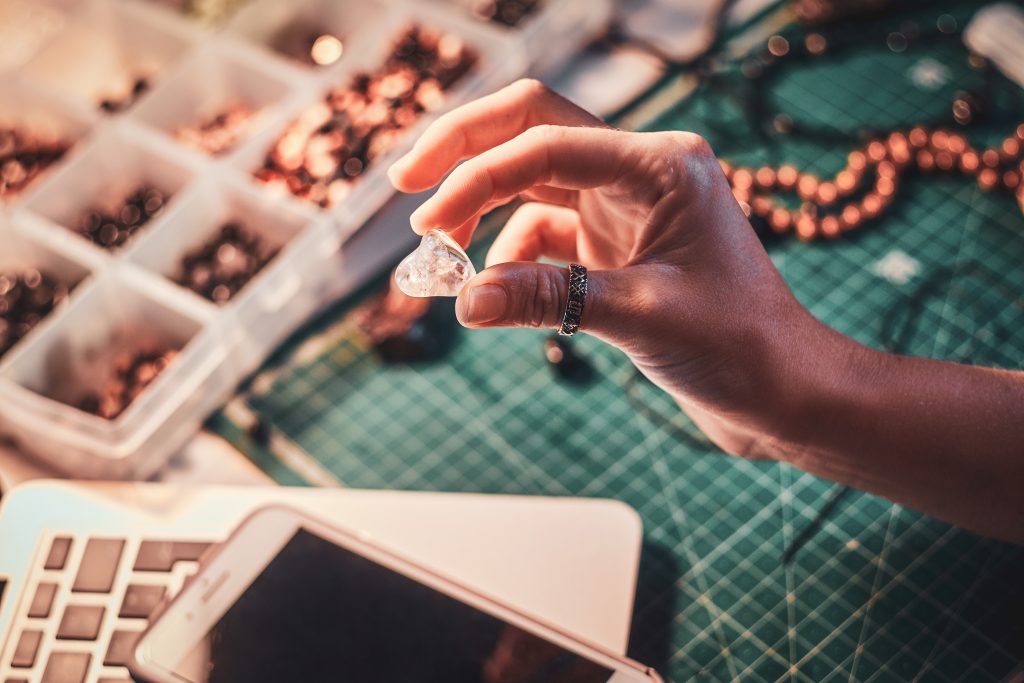
The first quarter of 2026 has witnessed a significant surge in interest surrounding Sustainable Fashion Jewelry, driven by evolving consumer preferences and heightened environmental awareness. Investors are increasingly seeking opportunities that align with ethical values and demonstrate long-term viability in a conscious marketplace.
This growth is not merely a fleeting trend but a fundamental shift, with companies prioritizing transparent supply chains and responsible manufacturing. The market’s expansion is supported by robust data indicating a sustained demand for products that offer both aesthetic appeal and a positive social impact.
Initial reports from Q1 2026 indicate that the sustainable fashion jewelry sector in the US is outperforming traditional segments, attracting both large institutional investors and individual ethical investors seeking impactful returns.
Understanding Market Dynamics and Consumer Demand
The dynamics of the sustainable fashion jewelry market are complex, influenced by a blend of ethical considerations, design innovation, and accessible pricing points. Consumers are no longer solely focused on aesthetics; they demand transparency regarding material origins and labor practices.
This shift has necessitated a re-evaluation of production processes, pushing brands towards certified ethical sourcing and sustainable manufacturing techniques. Understanding these consumer-driven demands is crucial for anyone considering Sustainable Fashion Jewelry.
The current market environment favors brands that can authentically communicate their commitment to sustainability, building trust and loyalty among a growing segment of environmentally and socially conscious buyers.
Key Drivers of Sustainable Jewelry Growth
- Increased consumer awareness of environmental and social issues.
- Growing demand for transparency in product sourcing and manufacturing.
- Availability of innovative, eco-friendly materials and production methods.
- Influence of social media and ethical consumer advocacy groups.
The competitive landscape is also evolving, with new players entering the market offering innovative designs and sustainable alternatives. Established brands are adapting by integrating ethical practices into their core business models to remain relevant.
This competitive pressure further accelerates the adoption of sustainable practices across the industry, creating a virtuous cycle of improvement and innovation.
Ethical Sourcing: The Cornerstone of Sustainable Jewelry
Ethical sourcing forms the bedrock of Sustainable Fashion Jewelry, ensuring that materials are obtained responsibly and workers are treated fairly. This includes everything from conflict-free minerals to recycled metals and sustainably harvested natural elements.
Brands committed to ethical sourcing often engage in rigorous audits and third-party certifications to validate their claims, providing consumers with verifiable proof of their sustainable practices. This transparency is a key differentiator in a crowded market.
For investors, understanding a brand’s sourcing policies is paramount, as it directly impacts its reputation, market appeal, and long-term financial stability.
Challenges and Opportunities in Ethical Sourcing
- Ensuring traceability across complex global supply chains.
- Balancing ethical practices with cost-effectiveness for mass production.
- Educating consumers on the importance and value of ethical sourcing.
- Innovating new sustainable materials to reduce environmental impact.
While challenges exist, opportunities for innovation in ethical sourcing are abundant, ranging from blockchain technology for supply chain transparency to advancements in lab-grown diamonds and recycled materials. These innovations are reshaping the industry.
The commitment to ethical sourcing not only benefits the environment and communities but also enhances brand value and consumer trust, making it a critical factor for successful investment.
Market Growth Projections for Q1 2026 in the US
The US market for sustainable fashion jewelry is projected to continue its robust growth trajectory into Q1 2026, driven by an expanding consumer base and increasing disposable income among ethically conscious buyers. Industry analysts forecast significant market expansion, positioning it as a lucrative area for investment.
This growth is not uniform across all segments; specific niches, such as minimalist designs made from recycled silver and bespoke pieces featuring upcycled materials, are experiencing particularly rapid acceleration. Identifying these high-growth segments is key for strategic investment.
The regulatory environment, while still evolving, is also beginning to favor sustainable practices, which further bolsters market confidence and encourages investment in environmentally responsible businesses.
Factors Driving US Market Expansion
- Increasing adoption of sustainable lifestyles among millennials and Gen Z.
- Strong economic indicators supporting consumer spending on ethical luxury.
- Technological advancements enabling more efficient and sustainable production.
- Supportive government policies and industry initiatives promoting sustainability.
The competitive landscape within the US is intensifying, with both established jewelry brands and emerging start-ups vying for market share. This competition is fostering innovation and pushing brands to continually improve their sustainable offerings.
This dynamic environment signals a healthy and expanding market, offering diverse opportunities for those considering Sustainable Fashion Jewelry.
Investment Opportunities and Key Players
For investors, the sustainable fashion jewelry sector presents a compelling array of opportunities, from direct equity investments in pioneering brands to venture capital funding for innovative startups. Identifying key players with strong ethical foundations and scalable business models is crucial.
Several brands have emerged as leaders in this space, demonstrating consistent growth, strong brand loyalty, and a clear commitment to sustainability. These companies often combine cutting-edge design with transparent ethical practices.
Analyzing their Q1 2026 performance and future strategies provides valuable insights for potential investors looking to capitalize on this growing market segment.
Emerging Investment Areas
- Brands specializing in recycled precious metals and gemstones.
- Companies utilizing innovative, plant-based or lab-grown materials.
- Platforms connecting ethical artisans directly with consumers.
- Technology solutions enhancing supply chain transparency and traceability.
Beyond established brands, there’s significant potential in supporting emerging designers and tech-enabled platforms that disrupt traditional supply chains through sustainable innovation. These new ventures often offer higher growth potential.
A thorough due diligence process, focusing on a company’s ethical credentials, market traction, and financial projections, is essential for informed decision-making when Sustainable Fashion Jewelry.
Regulatory Landscape and Industry Standards
The regulatory landscape surrounding sustainable fashion jewelry is becoming more defined, with various industry standards and certifications gaining prominence. These regulations and standards aim to ensure authenticity, prevent greenwashing, and protect both consumers and the environment.
Compliance with these standards, such as those from the Responsible Jewellery Council (RJC) or Fairtrade, is increasingly important for brands seeking credibility and market access. Investors should look for companies that proactively adhere to or exceed these benchmarks.
While comprehensive federal regulations are still evolving, state-level initiatives and international agreements are setting precedents that influence practices across the US market.
Impact of Regulations on Market Entry
- Stricter requirements for material origin and labor practices.
- Increased need for third-party certifications and audits.
- Potential for higher operational costs for non-compliant businesses.
- Enhanced consumer trust for brands adhering to recognized standards.
The evolving regulatory environment presents both challenges and opportunities. Brands that proactively integrate sustainable practices and achieve relevant certifications are better positioned for long-term success.
This proactive approach to compliance and ethical standards is a strong indicator of a resilient and responsible business, making it an attractive prospect for Sustainable Fashion Jewelry.
Future Trends and Sustainability Innovations
Looking beyond Q1 2026, the sustainable fashion jewelry market is poised for continued innovation, with future trends focusing on circular economy principles and advanced material science. Expect to see greater emphasis on repair, reuse, and recycling models.
Technological advancements, such as AI-driven supply chain optimization and advanced material development, will play a crucial role in enhancing sustainability. These innovations promise to make ethical jewelry more accessible and appealing.
The integration of personalized and customizable sustainable pieces will also grow, catering to consumers who desire unique items with a clear ethical story.
Anticipated Innovations in Sustainable Jewelry
- Wider adoption of blockchain for transparent supply chain tracking.
- Development of new bio-based and upcycled materials for jewelry.
- Expansion of rental and subscription models for high-value sustainable pieces.
- Increased use of 3D printing with sustainable materials for bespoke designs.
These future trends highlight a dynamic and evolving sector that continually seeks to minimize its environmental footprint while maximizing social impact. The commitment to innovation ensures sustained growth.
For investors, staying abreast of these emerging trends and supporting companies at the forefront of innovation will be key to successful Sustainable Fashion Jewelry.
Q1 2026 Performance and Outlook

The first quarter of 2026 has provided clear indicators of the robust health and accelerating growth of the sustainable fashion jewelry market in the US. Performance metrics show consistent consumer engagement and increasing investment flows into ethical brands.
Sales figures, brand expansions, and consumer sentiment surveys from Q1 all point towards a positive outlook for the remainder of the year and beyond. The market is maturing, solidifying its position as a significant segment within the broader fashion industry.
This strong performance reinforces the long-term viability and attractiveness of Sustainable Fashion Jewelry, signaling continued opportunities for growth and impact.
Key Performance Indicators for Q1 2026
- Year-over-year revenue growth exceeding industry averages.
- Significant increase in online sales channels for sustainable brands.
- Positive consumer sentiment and brand loyalty scores.
- Rising number of new sustainable jewelry brands entering the market.
The outlook remains optimistic, contingent on continued innovation, strong ethical governance, and effective communication with consumers about sustainable practices. Brands that excel in these areas are likely to see sustained success.
The data from Q1 2026 confirms that the market is not just growing but also becoming more sophisticated, offering diverse avenues for both consumers and investors interested in sustainable fashion jewelry.
| Key Point | Brief Description |
|---|---|
| Market Growth | US sustainable fashion jewelry market shows robust growth in Q1 2026, driven by ethical consumerism. |
| Ethical Sourcing | Transparency and responsible material acquisition are critical for brand credibility and investor confidence. |
| Investment Trends | Opportunities range from established ethical brands to innovative startups focused on sustainable materials. |
| Future Outlook | Anticipated innovations in circular economy models and advanced sustainable materials will drive future expansion. |
Frequently Asked Questions About Sustainable Fashion Jewelry Investment
Sustainable fashion jewelry is crafted using ethically sourced, recycled, or upcycled materials, adhering to fair labor practices. It prioritizes minimizing environmental impact and ensuring social responsibility throughout its entire supply chain, from design to delivery to the consumer.
Ethical sourcing is vital for investor confidence as it mitigates reputational risks and ensures long-term brand viability. Companies with transparent and responsible supply chains attract conscious consumers and investors, contributing to stable growth and positive market perception.
The US market for sustainable fashion jewelry is projected to experience robust growth, driven by increasing consumer demand for ethical products. Analysts forecast significant expansion, particularly in niches focused on innovative materials and transparent production, making it attractive for investment.
Investment opportunities include equity in established ethical jewelry brands, venture capital for sustainable startups, and supporting technology platforms that enhance supply chain transparency. Focus on companies with strong ethical credentials and innovative sustainable business models for optimal returns.
Evolving regulations and industry standards, such as certifications from the Responsible Jewellery Council, are shaping market practices. Compliance ensures product authenticity and builds consumer trust, favoring brands that proactively adhere to or exceed these sustainability benchmarks, impacting market entry and competitiveness.
Perspectives
The Q1 2026 analysis of Sustainable Fashion Jewelry clearly indicates a transformative period for the industry.
The convergence of heightened consumer consciousness, technological advancements, and a maturing regulatory landscape is creating a fertile ground for ethical investments.
Future developments will likely focus on even greater supply chain transparency and circular economy models, solidifying sustainable jewelry’s position as a driving force in the fashion sector.