Sustainable Summer Fabrics 2026: Eco-Friendly Style Guide
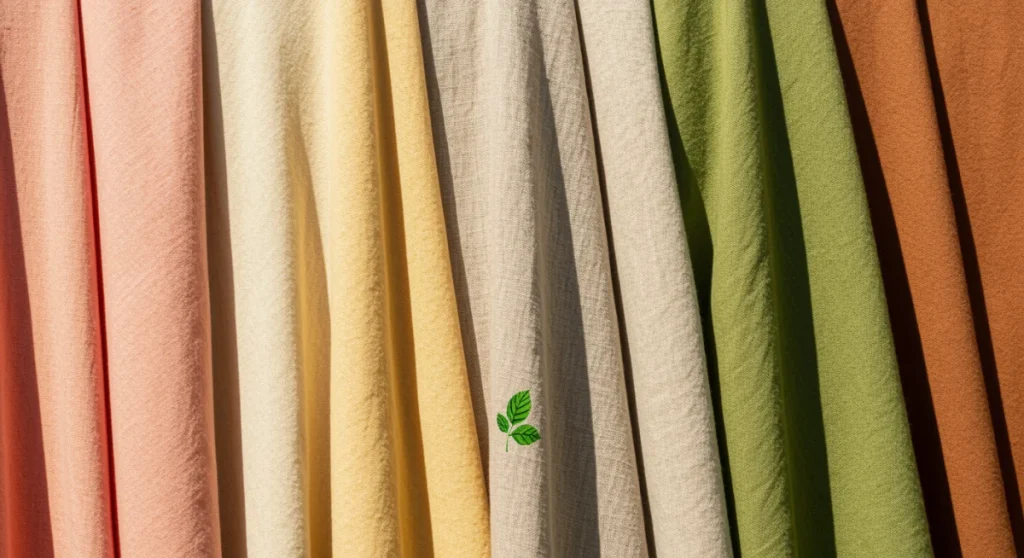
The 2026 Guide to Sustainable Summer Fabrics highlights how eco-friendly materials and responsible production methods can help reduce environmental impact by up to 15%. This guide presents practical insights for consumers seeking more sustainable choices in their summer wardrobes.
Growing awareness of climate change and resource consumption has accelerated interest in sustainable textiles. The guide explains how innovative materials and improved manufacturing practices are reshaping the fashion industry toward more responsible production.
From plant-based fibers to advanced recycling technologies, new options are expanding rapidly. These developments allow consumers to combine comfort, style, and sustainability while making smarter decisions for their clothing choices.
Understanding the Urgency: Why Sustainable Summer Fabrics Matter Now
The fashion industry faces intense scrutiny over its environmental impact, from water consumption in textile production to the pollution generated by synthetic fibers. Traditional summer fabrics often contribute significantly to these issues, making the shift to sustainable alternatives a critical priority.
Global climate targets and consumer demand are converging, pressuring manufacturers to adopt more eco-friendly practices. The 2026 Guide to Sustainable Summer Fabrics reflects this urgent need, providing a roadmap for both industry and consumers to make more responsible choices. This transition is vital for mitigating the adverse effects of fast fashion.
Adopting sustainable summer fabrics helps conserve natural resources, reduce waste, and minimize carbon emissions. It’s a systemic change that benefits ecosystems and human health alike, offering a tangible way to contribute to a healthier planet. The time for action is now, and informed choices are the first step.
The Environmental Footprint of Conventional Textiles
Conventional textile production relies heavily on non-renewable resources, excessive water, and harmful chemicals. Cotton, for instance, is notoriously water-intensive and often requires vast amounts of pesticides, leading to soil degradation and water contamination.
Synthetic fibers like polyester, while durable, are derived from petroleum and release microplastics into waterways with every wash. These microplastics pose a significant threat to marine life and can enter the human food chain. The lifecycle of these materials, from production to disposal, leaves a substantial environmental mark.
The dyeing and finishing processes also contribute to pollution, often discharging toxic effluents into local water sources. Understanding these impacts underscores the necessity of the directives laid out in the 2026 Guide to Sustainable Summer Fabrics. It’s about more than just clothing; it’s about environmental stewardship.
Consumer Demand and Industry Response
A growing segment of consumers is actively seeking out sustainable options, driven by ethical concerns and environmental awareness. This shift in purchasing behavior is compelling brands to re-evaluate their supply chains and product offerings.
Brands are responding by investing in research and development for eco-friendly materials and transparent manufacturing processes. Certifications like GOTS (Global Organic Textile Standard) and OEKO-TEX are becoming increasingly important indicators of a product’s sustainability. The 2026 Guide to Sustainable Summer Fabrics emphasizes these certifications as key markers for informed choices.
This market evolution creates a positive feedback loop, where consumer demand fuels innovation, and innovative products further educate and empower consumers. The collective effort is crucial for achieving the ambitious environmental goals set for the coming years.
Pioneering Sustainable Summer Fabrics for 2026
The landscape of sustainable summer fabrics is rapidly evolving, with new innovations emerging that promise reduced environmental impact and enhanced performance. These materials are designed to be breathable, comfortable, and durable, making them ideal for the warmer months while adhering to eco-conscious principles.
From regenerated cellulose fibers to innovative blends, the textile industry is embracing a future where fashion and sustainability are intrinsically linked. The 2026 Guide to Sustainable Summer Fabrics highlights these cutting-edge materials, providing a detailed overview of their benefits and applications. This focus ensures that consumers can make truly informed decisions.
The goal is not just to replace conventional fabrics but to create superior alternatives that offer both style and environmental responsibility. These pioneering fabrics are at the forefront of the movement to achieve a 15% reduction in the fashion industry’s environmental footprint. Their adoption is key to reaching this target.
Organic Cotton: A Timeless Eco-Friendly Choice
Organic cotton remains a cornerstone of sustainable fashion, cultivated without synthetic pesticides, herbicides, or genetically modified organisms. Its production significantly reduces water pollution and promotes healthier soil ecosystems, making it a superior choice over conventional cotton.
The cultivation of organic cotton also supports biodiversity and the well-being of farmers, who are not exposed to harmful chemicals. Garments made from organic cotton are soft, breathable, and hypoallergenic, ideal for sensitive skin and hot weather. This material exemplifies the core principles of the 2026 Guide to Sustainable Summer Fabrics.
While organic cotton still requires water, its overall environmental footprint is considerably smaller, especially when grown in rain-fed regions. Its widespread availability and established supply chains make it an accessible and reliable option for reducing environmental impact.
Linen: Naturally Breathable and Durable
Linen, derived from the flax plant, is another exceptional sustainable summer fabric. Flax requires minimal water and pesticides to grow, thrives in poor soil, and every part of the plant can be utilized, leaving virtually no waste. Its natural properties make it inherently eco-friendly.
Linen fabric is renowned for its strength, durability, and excellent breathability, making it perfect for summer apparel. It also possesses natural thermoregulating properties, keeping the wearer cool in heat and warm in cooler temperatures. These characteristics align perfectly with the objectives of the 2026 Guide to Sustainable Summer Fabrics.
Moreover, linen is biodegradable and recyclable, further enhancing its appeal as a sustainable choice. Its timeless aesthetic and comfort have ensured its place as a favorite for conscious consumers seeking both style and environmental responsibility.
Innovative Fibers: The Future of Sustainable Summer Fabrics

Beyond traditional organic options, the textile industry is witnessing a surge in innovative fibers that push the boundaries of sustainability. These advanced materials often leverage cutting-edge technology to minimize resource use, maximize recyclability, and offer unique performance characteristics. Their development is crucial for meeting the ambitious goals of the 2026 Guide to Sustainable Summer Fabrics.
From closed-loop systems that recapture and reuse chemicals to fibers made from agricultural waste, these innovations represent a paradigm shift in textile production. They offer solutions to some of the most pressing environmental challenges faced by the fashion industry. Understanding these new materials is key to making truly impactful choices.
These fibers are not just eco-friendly; they often provide enhanced comfort, durability, and versatility, making them highly desirable for modern summer wear. Their integration into mainstream fashion is vital for the broader adoption of the principles outlined in the 2026 Guide to Sustainable Summer Fabrics. This is where significant progress towards reducing environmental impact will be made.
Tencel Lyocell and Modal: Regenerated Cellulose Wonders
Tencel, a brand of lyocell and modal fibers from Lenzing, is produced from sustainably sourced wood pulp in a closed-loop process. This means that up to 99% of the solvents used are recovered and reused, drastically reducing water and chemical waste. Tencel represents a significant leap forward in sustainable textile manufacturing.
Tencel fibers are known for their exceptional softness, breathability, and moisture-wicking properties, making them ideal for comfortable summer clothing. They are also biodegradable and compostable, ensuring a minimal end-of-life impact. These attributes make Tencel a leading example within the 2026 Guide to Sustainable Summer Fabrics.
The transparency and environmental responsibility behind Tencel production set a high bar for other manufacturers. Its versatility allows it to be blended with other fibers, further enhancing its applications across various apparel categories while maintaining its sustainable credentials.
Hemp: A Resilient and Versatile Crop
Hemp is an incredibly resilient plant that requires very little water, no pesticides, and naturally enriches the soil it grows in. Its rapid growth cycle and ability to thrive in diverse climates make it a highly sustainable agricultural crop. This plant yields fibers that are strong, durable, and naturally resistant to mold and UV light.
Hemp fabric becomes softer with each wash, offering excellent breathability and moisture absorption, perfect for summer wear. Its inherent strength also contributes to the longevity of garments, aligning with the principles of slow fashion and reduced consumption. The 2026 Guide to Sustainable Summer Fabrics recognizes hemp as a top-tier eco-friendly material.
As processing techniques improve, hemp is becoming increasingly refined and comfortable, expanding its appeal beyond niche markets. Its potential to replace less sustainable fibers is immense, contributing significantly to the overall reduction of the fashion industry’s environmental footprint.
The Role of Circularity in Sustainable Summer Fabrics
Circularity in the textile industry focuses on designing out waste and pollution, keeping products and materials in use, and regenerating natural systems. This approach is fundamental to achieving the ambitious environmental goals outlined in the 2026 Guide to Sustainable Summer Fabrics. It represents a shift from a linear ‘take-make-dispose’ model to a regenerative one.
Embracing circularity means rethinking every stage of a garment’s life cycle, from design and raw material sourcing to manufacturing, consumer use, and end-of-life management. This includes practices like recycling, upcycling, and designing for durability and repairability. These efforts are crucial for minimizing environmental impact.
For sustainable summer fabrics, circularity translates into materials that can be easily recycled back into new fibers, reducing the demand for virgin resources. It also encourages the use of post-consumer waste as a feedstock for new textiles. This holistic approach is essential for a truly sustainable future in fashion.
Recycled and Upcycled Materials
Recycled fabrics, particularly recycled polyester (rPET) made from plastic bottles, prevent waste from entering landfills and oceans. While rPET still releases microplastics, its use reduces the reliance on new petroleum resources. Innovations are continuously improving its environmental profile.
Upcycling involves transforming discarded materials into new products of higher value, extending their lifespan and reducing waste. This creative approach minimizes the need for new production entirely, offering a unique avenue for sustainable fashion. Both recycled and upcycled materials are pivotal components of the 2026 Guide to Sustainable Summer Fabrics.
The development of advanced textile-to-textile recycling technologies is also gaining momentum, allowing old garments to be broken down and reformed into new fibers. This closed-loop system is the ultimate goal of circular fashion, promising a significant reduction in environmental impact.
Designing for Durability and Longevity
One of the most effective ways to reduce the environmental impact of clothing is to extend its lifespan. Designing garments for durability means using high-quality sustainable summer fabrics and robust construction techniques that withstand repeated wear and washing. This directly counteracts the fast fashion cycle.
Longevity also involves timeless design and versatility, encouraging consumers to keep and wear their clothes for longer periods. When an item can be styled in multiple ways and remains fashionable across seasons, its utility and value increase, reducing the impulse to purchase new items frequently. This principle is central to the 2026 Guide to Sustainable Summer Fabrics.
Brands that prioritize durability and offer repair services further contribute to a circular economy. Empowering consumers to repair their clothes rather than discard them is a powerful step towards reducing waste and fostering a more sustainable relationship with fashion.
Achieving the 15% Reduction Target: A Collective Effort
The target of reducing environmental impact by 15% through sustainable summer fabrics is an ambitious yet achievable goal. It requires a concerted effort from all stakeholders: consumers, designers, manufacturers, and policymakers. Each group plays a crucial role in driving this transformative change.
Consumers can contribute by making informed purchasing decisions, choosing certified sustainable materials, and supporting brands committed to ethical practices. Their demand creates the market for eco-friendly products. The 2026 Guide to Sustainable Summer Fabrics serves as a vital resource for these decisions.
Manufacturers must invest in sustainable technologies, transparent supply chains, and circular production models. Policymakers can create enabling environments through regulations, incentives, and educational initiatives. This collaborative approach is essential for realizing a truly sustainable fashion industry.
Consumer Choices: Empowering Your Wardrobe
Making conscious choices about your summer wardrobe starts with understanding the origin and impact of your clothes. Prioritizing sustainable summer fabrics like organic cotton, linen, Tencel, and hemp is a powerful statement for environmental responsibility. Look for certifications that guarantee ethical production.
Consider the entire lifecycle of a garment before purchasing. Ask questions about its durability, how it can be cared for, and its end-of-life options. Investing in high-quality, long-lasting pieces reduces the need for frequent replacements, saving resources and money in the long run. The 2026 Guide to Sustainable Summer Fabrics encourages this thoughtful approach.
Lastly, embrace practices like repairing clothes, swapping with friends, and donating or recycling textiles properly. Every small action contributes to the larger goal of reducing environmental impact. Your choices have a direct influence on the future of fashion.
Industry Innovations and Policy Frameworks
The textile industry is increasingly adopting innovations such as waterless dyeing technologies, renewable energy sources in manufacturing, and advanced recycling systems. These technological advancements are critical for minimizing the environmental footprint of textile production. They are key to fulfilling the targets outlined in the 2026 Guide to Sustainable Summer Fabrics.
Policy frameworks, including extended producer responsibility (EPR) schemes, are also emerging to hold brands accountable for the entire lifecycle of their products. These policies incentivize sustainable design and waste management, fostering a more circular economy. International cooperation and standardized regulations are vital for global impact.
Collaboration between industry players, research institutions, and governments is accelerating the transition towards sustainability. Sharing best practices and developing common standards ensures that the entire sector moves forward cohesively. This synergy is fundamental to achieving the 15% reduction in environmental impact.
The Economic and Social Benefits of Sustainable Textiles
Beyond the undeniable environmental advantages, the shift to sustainable summer fabrics brings significant economic and social benefits. This includes job creation in green industries, improved working conditions, and enhanced brand reputation. These factors contribute to a more resilient and equitable fashion ecosystem.
Sustainable practices often lead to greater efficiency in resource use, potentially reducing operational costs for manufacturers in the long run. This economic incentive further drives the adoption of eco-friendly methods. The 2026 Guide to Sustainable Summer Fabrics underscores these multifaceted benefits, showing that sustainability is good for business and people.
Investing in sustainable textiles also fosters innovation and competitiveness, positioning companies at the forefront of a rapidly changing market. It’s a holistic approach that benefits not only the planet but also communities and economies worldwide. The positive ripple effects are extensive.
Job Creation and Ethical Labor Practices
The growth of the sustainable textile sector creates new job opportunities in areas such as organic farming, eco-friendly manufacturing, and textile recycling. These green jobs often adhere to higher labor standards, promoting fair wages and safe working conditions. This directly addresses social inequalities prevalent in conventional fashion supply chains.
Brands committed to sustainable practices typically prioritize ethical sourcing and transparent supply chains, ensuring that workers are treated fairly and paid living wages. This focus on human rights is an integral part of true sustainability. The 2026 Guide to Sustainable Summer Fabrics highlights the importance of these social dimensions.
By supporting businesses that uphold ethical labor practices, consumers contribute to a more just and equitable global economy. This alignment of environmental and social responsibility is a hallmark of the sustainable fashion movement.
Brand Reputation and Consumer Loyalty
In today’s market, consumers are increasingly loyal to brands that demonstrate a genuine commitment to sustainability and ethical practices. Companies that proactively adopt sustainable summer fabrics and transparent manufacturing processes build stronger reputations and foster deeper trust with their customer base. This translates into long-term brand equity.
A strong sustainability narrative can differentiate brands in a crowded market, attracting new customers and retaining existing ones. It signals a forward-thinking approach and a commitment to values beyond profit. The 2026 Guide to Sustainable Summer Fabrics provides a framework for brands to communicate these efforts effectively.
Conversely, brands that fail to address their environmental and social impact risk damaging their reputation and losing market share. Sustainability is no longer a niche concern but a mainstream expectation, making it a critical factor for business success.
Challenges and Opportunities for 2026
While the momentum towards sustainable summer fabrics is strong, significant challenges remain. These include scaling up production of eco-friendly materials, ensuring affordability, and overcoming consumer misconceptions. Addressing these hurdles is essential for widespread adoption and achieving the 15% reduction target.
Despite these challenges, opportunities abound for innovation, collaboration, and market growth. The increasing consumer demand for sustainable products is a powerful driver for change, creating a fertile ground for new businesses and technologies. The 2026 Guide to Sustainable Summer Fabrics helps identify these areas for growth.
Overcoming these obstacles requires continued investment in research and development, supportive policy frameworks, and effective communication strategies to educate consumers. The collective effort to tackle these challenges will ultimately define the success of the sustainable fashion movement.
Scaling Production and Affordability
One of the primary challenges for sustainable summer fabrics is scaling production to meet global demand without compromising environmental integrity. Many eco-friendly materials are still produced in smaller quantities, leading to higher costs compared to conventional textiles. This can make them less accessible to a broader consumer base.
Investment in larger-scale sustainable farming practices, advanced manufacturing technologies, and efficient supply chains is crucial for driving down costs. Government subsidies and industry partnerships can also play a significant role in making sustainable options more competitive. The 2026 Guide to Sustainable Summer Fabrics recognizes these economic realities.
As production scales and technologies mature, the cost gap between sustainable and conventional fabrics is expected to narrow. This will make eco-friendly clothing more affordable and widely available, accelerating the transition towards a greener fashion industry. Affordability is key to mainstream adoption.
Educating Consumers and Combating Greenwashing
Despite increased awareness, many consumers still lack a clear understanding of what constitutes truly sustainable fashion. Misinformation and greenwashing, where companies make misleading claims about their environmental practices, further complicate purchasing decisions. Effective consumer education is vital.
The 2026 Guide to Sustainable Summer Fabrics aims to combat greenwashing by providing clear, verified information about materials and certifications. It empowers consumers to critically evaluate claims and make genuinely sustainable choices. Transparency from brands is also crucial in building trust and combating deceptive marketing.
Educational campaigns, clear labeling, and accessible resources can help demystify sustainable fashion and equip consumers with the knowledge to support ethical brands. By fostering a more informed consumer base, the industry can collectively push for higher standards and greater accountability.
The Path Ahead: Integrating Sustainability into Every Stitch

The trajectory for sustainable summer fabrics points towards deeper integration of eco-conscious practices into every aspect of the textile supply chain. This means moving beyond material choices to encompass design, manufacturing processes, logistics, and end-of-life solutions. The vision articulated in the 2026 Guide to Sustainable Summer Fabrics is one of holistic sustainability.
Future developments will likely focus on even more innovative materials, such as lab-grown fibers and textiles derived from food waste, offering unprecedented levels of resource efficiency. The emphasis will also be on hyper-localization and shorter supply chains to further reduce carbon emissions. These advancements are critical for achieving the 15% environmental impact reduction.
Ultimately, the goal is to create a fashion industry that operates in harmony with nature, where every garment contributes positively to the planet and its people. This ambitious vision requires continuous innovation, unwavering commitment, and a collective determination to build a truly sustainable future. The path ahead is clear, demanding action from all.
Advancements in Textile Technology
Ongoing research and development are yielding remarkable advancements in textile technology, promising even more sustainable summer fabrics. Innovations include biodegradable synthetics, self-cleaning textiles that reduce washing frequency, and smart fabrics that adapt to environmental conditions. These technologies enhance both performance and sustainability.
Biomimicry, drawing inspiration from natural processes, is also informing the creation of new materials with inherent sustainable properties. For example, textiles engineered to mimic the breathability and moisture-wicking of certain plants. These cutting-edge developments are integral to the future success of the 2026 Guide to Sustainable Summer Fabrics.
The integration of artificial intelligence and machine learning is optimizing production processes, reducing waste, and improving efficiency throughout the supply chain. These technological leaps are fundamental to achieving the ambitious environmental targets set for the coming years, making fashion more intelligent and eco-friendly.
Collaborative Initiatives and Global Standards
The push for sustainable summer fabrics is increasingly driven by collaborative initiatives involving brands, NGOs, governments, and research institutions. Partnerships like the Fashion Pact and the Ellen MacArthur Foundation’s Make Fashion Circular initiative are fostering industry-wide change. These collaborations are vital for sharing knowledge and resources.
The development of global standards and certifications for sustainability is also gaining traction, providing a unified framework for assessing environmental and social impact. These standards ensure consistency and transparency, helping consumers and businesses make informed decisions. The 2026 Guide to Sustainable Summer Fabrics will continue to emphasize the importance of these benchmarks.
Ultimately, a harmonized global approach is necessary to address the systemic challenges of the fashion industry. By working together, stakeholders can accelerate the transition to a truly sustainable model, ensuring that future generations can enjoy both fashion and a healthy planet. This collaborative spirit is the bedrock of progress.
| Key Point | Brief Description |
|---|---|
| Eco-Friendly Materials | Focus on organic cotton, linen, Tencel, and hemp for reduced impact. |
| Circularity Principles | Emphasis on recycling, upcycling, and designing for longevity to minimize waste. |
| 15% Reduction Target | Achievable through collective efforts from consumers, industry, and policy. |
| Future Innovations | Advancements in lab-grown fibers and smart textiles for enhanced sustainability. |
Frequently Asked Questions About Sustainable Summer Fabrics
Sustainable summer fabrics are textiles produced with minimal environmental and social impact throughout their lifecycle. They often use fewer resources, avoid harmful chemicals, and are biodegradable or recyclable. Examples include organic cotton, linen, Tencel, and hemp, as detailed in the 2026 Guide to Sustainable Summer Fabrics.
Consumers can contribute by choosing certified sustainable summer fabrics, extending the lifespan of their clothing through proper care and repair, and supporting brands committed to ethical practices. Making conscious purchasing decisions and reducing overall consumption are key steps highlighted in the 2026 Guide to Sustainable Summer Fabrics.
Choosing sustainable summer fabrics offers numerous benefits, including reduced water usage, less chemical pollution, lower carbon emissions, and improved soil health. Additionally, these fabrics often support ethical labor practices and provide greater comfort and durability for the wearer, aligning with the goals of the 2026 Guide to Sustainable Summer Fabrics.
Initially, some sustainable summer fabrics may have a higher price point due to smaller-scale production and specialized processes. However, as demand grows and technologies advance, costs are becoming more competitive. The long-term benefits of durability and reduced environmental impact often outweigh the initial investment, as discussed in the 2026 Guide to Sustainable Summer Fabrics.
Certifications like GOTS (Global Organic Textile Standard) and OEKO-TEX provide independent verification that fabrics meet specific environmental and social criteria. They help consumers identify genuinely sustainable summer fabrics and combat greenwashing, offering assurance about a product’s eco-friendly claims. These are crucial tools for informed decision-making, as emphasized in the 2026 Guide to Sustainable Summer Fabrics.
Looking Ahead: The Future of Sustainable Summer Fabrics
The 2026 Guide to Sustainable Summer Fabrics marks a pivotal moment in the fashion industry’s journey toward environmental responsibility.
The ongoing developments and commitments from brands and consumers suggest a future where eco-friendly choices are the norm, not the exception.
Continued innovation in materials and processes will be essential to meet and exceed the 15% reduction target. The collective effort across the supply chain, supported by informed consumer choices, will shape a more sustainable and ethical summer style for years to come.